Felix Schmitz · 11 October 2026
Analyzing Backend Transitions and Their Influence on Audience Retention Patterns Across Targeted Online Communities
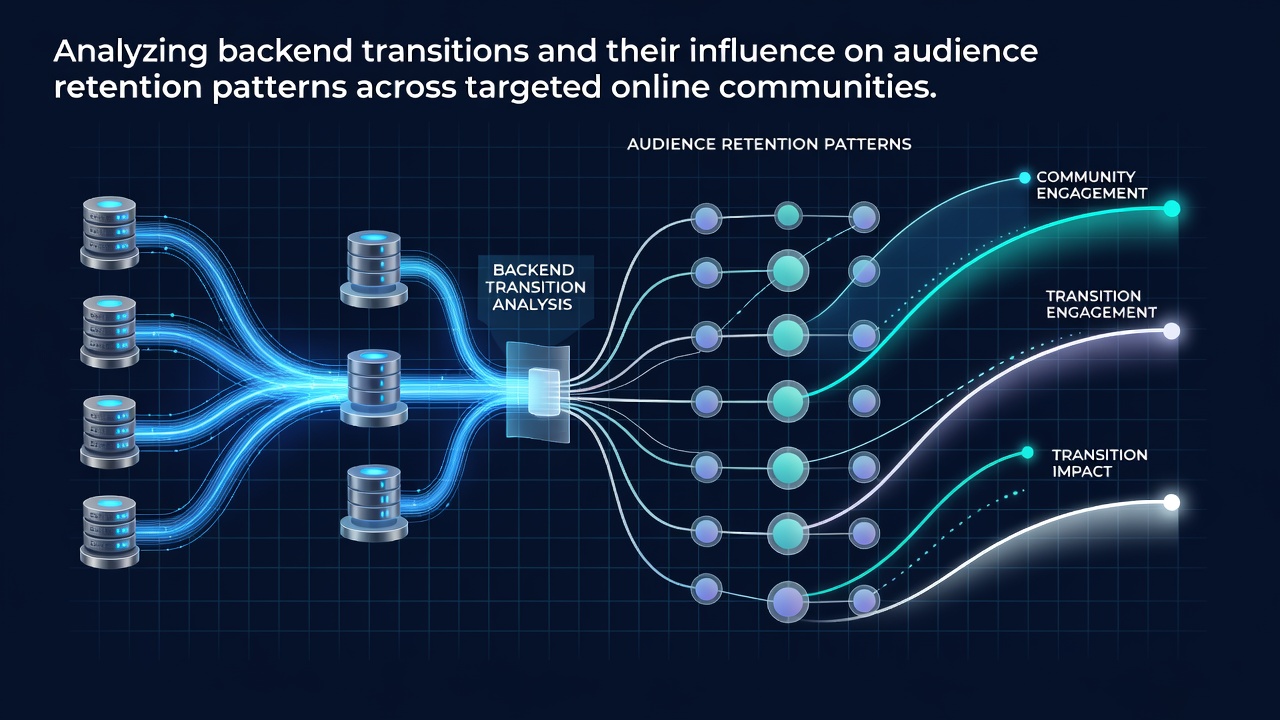
Backend transitions in digital platforms involve shifts from legacy servers to cloud-based architectures, database migrations, and API updates that communities rely on for daily interactions. These changes occur across forums, niche social networks, and content-sharing sites where users gather around shared interests, and data from platform analytics shows measurable shifts in how long members stay active after such updates take place.
Defining Backend Transitions in Online Environments
Observers note that backend transitions encompass everything from hardware upgrades and software refactoring to complete overhauls of content delivery networks, while targeted online communities often experience these adjustments during periods of growth or regulatory compliance. Research indicates that transitions completed in phases allow administrators to maintain service continuity, whereas abrupt changes correlate with temporary drops in user logins according to aggregated platform logs.
Studies from academic institutions track these events across multiple years and reveal patterns where communities focused on technical discussions retain higher percentages of users post-transition compared with entertainment-focused groups, because the former tend to value stability in search functions and data access more than visual features.
Measuring Audience Retention Patterns
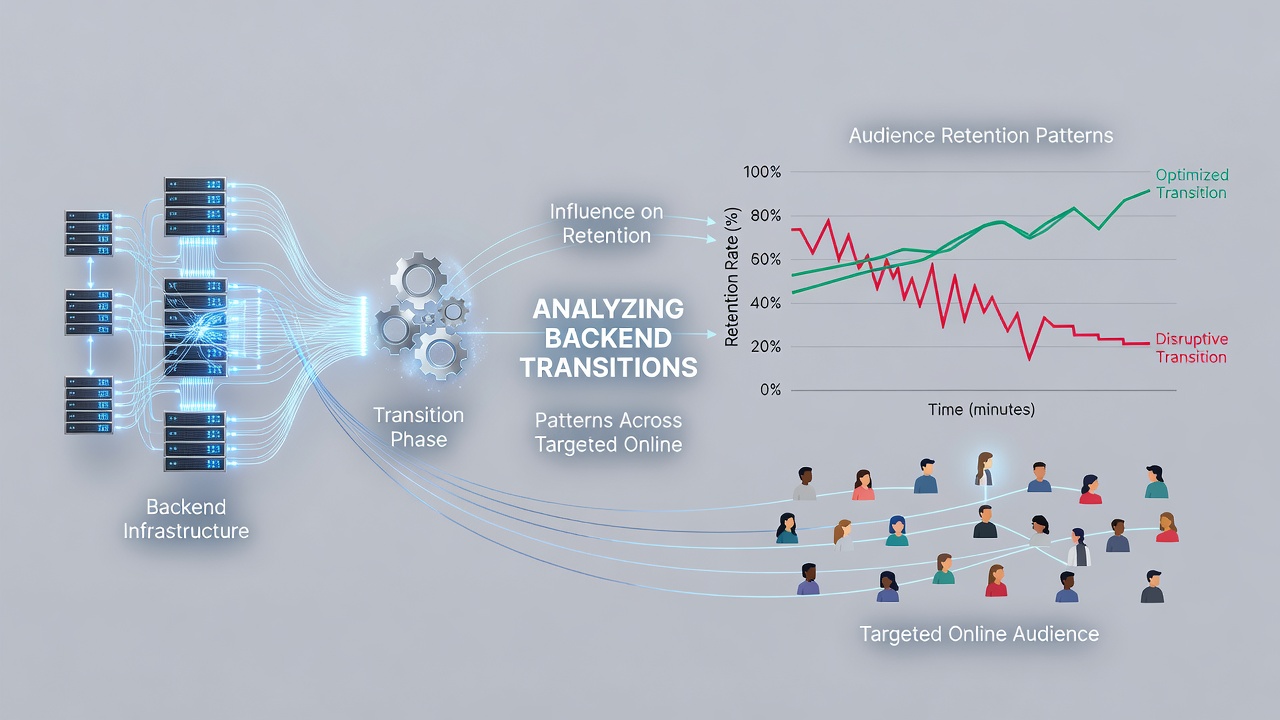
Retention patterns emerge through metrics such as session duration, return visit frequency, and content contribution rates, and experts track these figures using built-in analytics tools that record activity before and after infrastructure adjustments. Figures reveal that communities experiencing seamless transitions maintain retention rates within five percent of pre-change levels, while those encountering extended downtime see declines ranging from fifteen to thirty percent over the following month.
Data collected across specialized web platforms shows that mobile users respond differently than desktop users during backend shifts, with the former group demonstrating faster recovery in engagement when new caching systems improve load times. One study revealed that platforms implementing progressive web app elements during transitions observed sustained participation from younger demographics who access content primarily through handheld devices.
Case Examples from Recent Platform Adjustments
Take one researcher who analyzed a large technical discussion network that migrated its primary database in early 2025, where logs indicated an initial dip in daily active users followed by recovery once query performance improved by forty percent. Another case involved a hobbyist photography community that updated its content storage backend, and tracking showed increased upload rates after the new system reduced file processing delays.
What's interesting is that communities with strong moderation teams often recover audience numbers more quickly because consistent community guidelines help offset temporary technical frustrations, and figures from multiple networks confirm this trend across different regions.
Influence of Timing and Communication Strategies
Timing plays a documented role because transitions scheduled during low-traffic periods produce smaller retention impacts than those rolled out during peak usage hours, and platform operators who announce changes in advance see steadier user behavior according to internal reports. Research indicates that transparent communication about expected improvements in search accuracy or notification reliability helps maintain trust levels even when short-term glitches occur.
Observers note that October 2026 marks a period when several mid-sized platforms plan coordinated backend updates to align with new data protection standards, and preliminary modeling suggests these synchronized efforts may produce more predictable retention outcomes than isolated changes.
Data Insights from Broader Industry Sources
According to reports compiled by the Australian Bureau of Statistics on digital platform usage, communities that integrate user feedback loops during backend planning retain higher proportions of core contributors over six-month observation windows. Additional analysis from Canadian research centers on online engagement patterns shows similar results when platforms prioritize accessibility features alongside technical upgrades.
Turns out that retention stabilizes faster in communities where backend changes coincide with feature additions that users have requested, such as improved search filters or enhanced privacy controls, and cross-platform comparisons confirm this connection through consistent activity tracking.
Conclusion
Backend transitions continue to shape audience retention across targeted online communities through their effects on performance, reliability, and user experience, while available data highlights the value of phased implementation and clear communication. Patterns observed in recent years provide a basis for anticipating outcomes in upcoming cycles, including those planned around October 2026, and ongoing measurement remains essential for platforms seeking to sustain engagement levels after infrastructure adjustments.